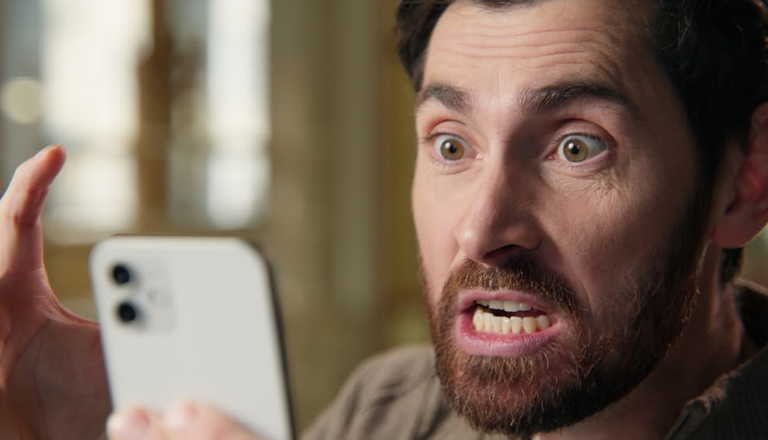

The trick to gambling is to stop when it stops being fun, and that includes the lottery
For the vast majority of players, the lottery is a harmless diversion with a ticket purchased at a gas station that buys twenty-four hours of "what if" fantasies. But for a significant number of people, the shimmering facade of the jackpot begins to crack. The thrill of the draw is replaced by the dread of the non=win, and the "fun" of the game evolves into a compulsive necessity. When the lottery stops being a game, it becomes a high-stakes psychological and financial battleground.
Playing the lottery should be fun
In the beginning, lottery play is social and imaginative. It’s the office pool where colleagues laugh about quitting their jobs together. It’s the Sunday morning ritual of checking numbers over coffee and breakfast.
The lottery is designed to be "fun" because of the near-miss effect. This occurs when a player’s numbers are close to the winning combination (e.g., having three out of six numbers).
Neurobiologically, a near-miss triggers nearly the same dopamine release as a win. The brain interprets a near-miss not as a non-win, but as a "signal" that you are getting closer. This keeps the game light and exciting—until the brain’s reward circuitry begins to demand higher "doses" of that excitement.
When gambling becomes a problem
The transition from recreational play to problem gambling is often invisible to outsiders. Unlike alcohol or drugs, there is no "breathalyzer" for a lottery addiction. However, several internal shifts signal that the game has changed:
• Chasing Non-Wins: The hallmark of a problem. Instead of walking away after a non-win, the player buys more tickets to "win back" what was spent.
• The "Urgency" Factor: Feeling a physical or emotional need to buy a ticket before the draw, accompanied by anxiety if the opportunity is missed.
• Escapism: Using the lottery not for a thrill, but to numb out from life’s stresses, debt, or depression.
• Increased Stakes: Moving from a $2 Powerball ticket to $20 or $50 scratch-offs daily to achieve the same "rush."
When the lottery is no longer fun, the financial impact shifts from "disposable income" to "essential funds."
For someone in a financial hole, the lottery starts to look like the only viable "exit strategy." This is a dangerous cognitive distortion. Mathematically, the odds of winning a major jackpot (like the Mega Millions) are approximately 1 in 302 million. When a person is struggling, they stop seeing these numbers as impossible and start seeing them as their only paycheck. This leads to where the player feels they have invested so much money that they must keep playing to eventually justify the expenditure.The secrecy required to sustain a lottery habit when it’s no longer fun creates a profound sense of isolation.
Because lottery tickets are easily hidden, many players keep their spending a secret from spouses or partners. This leads to using joint savings or credit cards without consent, avoiding friends because the money usually spent on dinner or movies has gone into tickets, and feeling intense guilt after not winning, followed by the belief that the only way to fix the guilt is to win it all back.
While big jackpots get the headlines, scratch-off tickets are often where the "fun" dies most quickly. Unlike the bi-weekly wait for a drawing, scratch-offs offer instant gratification.
The speed of the game—buy, scratch, not win, repeat—can lead to a "trance-like" state. Psychologists call this the "Machine Zone," a term originally coined for slot machine players. In this zone, the player isn't even looking for the money anymore; they are looking for the continuation of the play. The world disappears, and only the silver latex under their fingernails matters.
Societal reinforcement makes quitting the lottery harder than quitting other forms of gambling. Lottery terminals are in every grocery store, gas station, and pharmacy. We see "Winner" stories on the news, but we never see the millions of people who spent their rent money. Because winners are publicized, our brains trick us into thinking winning is more common than it actually is. You don't have to go to a casino or a dark alley; you can "relapse" while buying milk.
If the lottery has become a source of stress rather than a hobby, there are concrete steps to take. If you feel the urge to buy a ticket, force yourself to wait 20 minutes. Usually, the peak of the impulse will pass. Use cash for daily purchases and leave the debit card at home to prevent "impulse" ticket buys at the counter. Instead of thinking "Someone has to win," remind yourself: "I am more likely to be struck by lightning while being eaten by a shark." Organizations like Gamblers Anonymous or the National Council on Problem Gambling provide resources specifically for those who find that "fun and games" has turned into a burden
The lottery is a product designed to sell hope. But hope should be an anchor, not a weight that pulls you under. When the thrill of the "what if" is replaced by the panic of "what now," the game is over. Recognizing that the fun has died is the first—and most courageous—step toward winning back something far more valuable than a jackpot: your peace of mind.