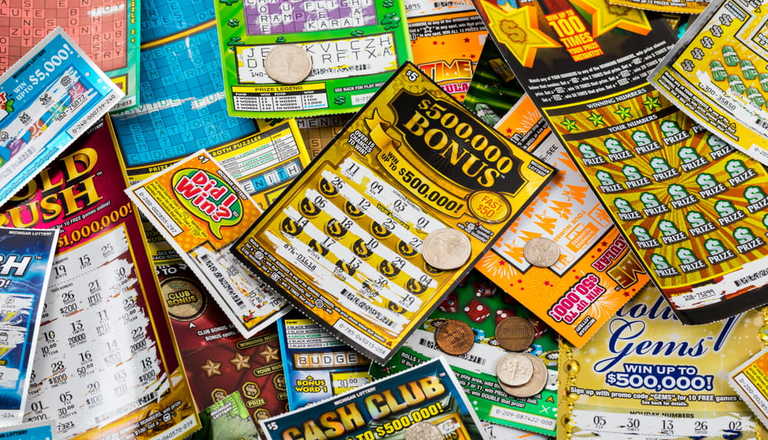

Scratch offs provide an instant thrill of gameplay
Among all the forms of legalized gambling, few possess the raw, immediate, and universally appealing power of the scratch lottery ticket, also known as scratch-offs, instant games, or scratch-and-wins. These simple, palm-sized cards, typically purchased on impulse at a convenience store counter, represent a concentrated dose of hope and excitement. They bypass the drawn-out anticipation of traditional lotteries, delivering their potential reward—or disappointment—in a matter of seconds. This instant feedback loop is the psychological engine that drives the immense popularity of scratch-offs, making them a unique and highly engaging phenomenon in the gambling landscape.
The thrill of the scratch off
To understand the magnetic pull of a scratch ticket, one must first delve into the psychology of instant gratification. In a society increasingly wired for speed, the desire for immediate reward—the opposite of delayed gratification—is a powerful driver of human behaviour.
At the core of this immediate appeal is the brain’s reward system. When we anticipate or receive a reward, the brain releases dopamine, a neurotransmitter associated with pleasure, motivation, and reinforcement. This is the same chemical reaction that fuels excitement in everything from achieving a goal to checking a social media notification.
Traditional draw-based lotteries certainly trigger this dopamine rush, but they stretch the anticipation over days or even weeks. A scratch ticket compresses this entire cycle—the purchase, the act of revealing the hidden information, and the immediate knowledge of the outcome—into a single, intense moment. This rapid, high-frequency stimulation provides a concentrated "dopamine hit" that reinforces the behaviour, encouraging players to try again.The speed of the outcome minimizes the time for rational reflection, keeping the player in an emotional cycle of anticipation and resolution.
Scratch-off tickets are ingeniously designed to amplify the emotional investment even in the event of a loss. A key structural characteristic, similar to slot machines.is the frequent occurrence of "near misses." For example, a ticket might require matching three identical symbols to win the jackpot, and the player might reveal two identical symbols next to a third, non-matching symbol.
Psychologically, the brain interprets a near-miss not as a non-win, but as an almost-win.
This illusion of control and proximity to success is a potent reinforcer. The player feels they were "close," which motivates them to buy another ticket, believing the next one will deliver the full reward. In essence, the near-miss serves as a highly effective mechanism for sustaining engagement despite repeated losses, extending the excitement beyond the moment of scratching the ticket.
The simple, physical act of playing a scratch-off is a critical component of its excitement. It is a tactile, ceremonial, and deeply personal ritual that separates it from passive lottery draws. So unlike placing a bet online or passively watching a lottery draw on television, the scratch ticket engages multiple senses like the rough texture of the metallic or latex coating and the satisfying, abrasive resistance of scratching it off with a coin or a specialized tool. The distinct shhhh or sccrrrtch sound of the coin moving across the ticket. The gradual revelation of symbols, numbers, or prize amounts, building suspense with every swipe.
This multi-sensory engagement makes the player an active participant in their own fate. The experience is not merely receiving a result, but earning the result through the physical action. This participation enhances the perceived value of the win and deepens the sense of ownership over the process.
Some players develop personal rituals for scratching: some scratch off only the winning numbers first, others slowly reveal the prize amounts, and still others methodically scratch every space in sequence. This ability to control the pace of information release allows the player to tailor the emotional experience, prolonging the anticipation for as long as they choose before the final, instantaneous result is known. This personalized control is a subtle but powerful driver of repeated play.
Lottery operators constantly refresh the inventory of scratch-offs with new themes, games, and designs. They introduce diverse play styles, such as "Match 3," "Bingo," "Crossword," or themed games tied to pop culture or holidays. This continuous stream of novelty prevents the excitement from becoming stale. Each new ticket offers a slightly different ritual and a new potential fantasy. This variety keeps players engaged, as they are not just buying a chance at money, but a novel, mini-game experience. The tickets' vibrant designs, colours, and enticing names like "$1,000,000 Extravaganza" or "Diamond Riches" are all carefully crafted to maximize the initial emotional draw. For many, the high frequency of any outcome in an instant game outweighs the distant, improbable potential of a mega-jackpot.
The scratch lottery ticket is a brilliant example of product design meeting innate human desire. It packages the universal aspiration for a life-changing win into a moment of affordable, accessible, and instantaneous excitement. This immediate feedback, this instant knowledge, is the definitive reason why scratch lotteries provide an unparalleled source of instantaneous excitement for players worldwide.