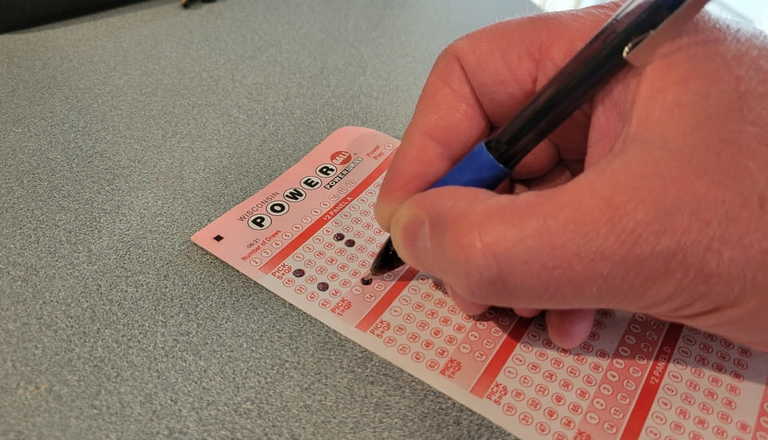

Powerball jackpots can grow surprisingly fast, and it all comes down to how rollovers work after drawings without a winner.
Every once in a while, the Powerball jackpot starts creeping upward again. One week, it’s around $20 million (which is still pretty life-changing), and then, before you know it, people are talking about $100 million jackpots during coffee runs and checkout lines at the grocery store. A few drawings later, it feels like the number is out-of-this-world huge. So, why is that?
It usually comes down to one thing: a rollover.
If no Powerball player matches all six numbers during a Powerball drawing, the jackpot doesn’t reset. Instead, the prize carries over to the next drawing and continues growing until someone finally wins. Since Powerball drawings happen three times a week, those increases can happen pretty quickly once a streak of non-winners gets going.
How a Rollover Builds in Real Time
The easiest way to understand a rollover is probably to watch how quickly the jackpot can change over a short stretch of drawings. Earlier this spring, the jackpot reset to $20 million after a player in Delaware won a $231 million prize. From there, the climb started almost immediately.
After another drawing without a jackpot winner, the total moved up to $35 million. Then $45 million. A few days later, it was up to $58 million. By the following week, the jackpot had already climbed to $75 million, then past $87 million, and eventually crossed the $100 million mark.
By the end of April, the estimated jackpot had reached $143 million.
Part of the reason those jumps happen so quickly is because every drawing without a grand prize winner sends the jackpot into the next round, where the total keeps growing again. After enough drawings are stacked together, the increases start to feel much bigger in a relatively short amount of time.
Why Bigger Jackpots Get More Attention
At the same time, the odds themselves never actually change. Whether the jackpot is at $20 million or goes past $1 billion, the chances of matching all six numbers stay the same. According to Powerball, the odds of winning the jackpot are about 1 in 292.2 million.
Large jackpots do have a way of pulling people in once the totals start reaching the headlines. Someone who normally never pays attention to Powerball suddenly hears coworkers talking about it during lunch. Local news stations have continuous jackpot updates. Friends text each other reminders before the next drawing. The Powerball jackpot becomes hard to ignore.
There’s also usually a second number attached to those headlines: the cash option. While the advertised jackpot might exceed $100 million, the lump-sum cash payout is usually lower. That’s why people sometimes see two different totals attached to the same drawing.
The Biggest Powerball Rollovers
That cycle has helped create some of the biggest jackpots in Powerball history.
Most of the record-setting Powerball jackpots didn’t happen overnight. The $2.04 billion jackpot from 2022 kept getting bigger, drawing after drawing, before someone finally won it. The same thing happened with the $1.765 billion jackpot, along with the massive $1.6 billion prize back in 2016. Once those rollover streaks start to span across weeks or months, the totals can get very big, very quickly.
What makes Powerball different from some other games is that there is no fixed cap on the jackpot. The total keeps growing until there is a winner, which is why some rollovers eventually turn into national headlines for weeks at a time. The urge to play Powerball becomes stronger with each passing jackpot.
The Cycle Starts Again
Powerball jackpots have a way of getting people talking once the numbers start climbing. After enough drawings without a winner, the jackpot starts showing up everywhere for a few weeks. Someone brings it up at work. A news update pops up online. The person in front of you at the gas station adds a ticket while checking out.
That’s usually how these rollover stretches go. The jackpot keeps growing, the number gains more attention, and eventually somebody matches all six numbers and resets the cycle all over again.