
We look at the differences between scratch tickets and draw games
Walk into any convenience store, and you are greeted by two entirely different worlds of gambling sitting side by side at the counter. On one hand, you have rows of vibrant, neon-colored scratch-off tickets, screaming promises of instant wealth with themes ranging from lucky sevens to hidden crossword puzzles. On the other hand, you have the quiet, understated lottery terminals, printing out slips of paper with a few rows of numbers, destined for a televised drawing hours or days away.
The comparison
While both are legal, state-run or government-regulated forms of lottery, scratch tickets and lottery draws are fundamentally different beasts. They appeal to different psychological triggers, offer vastly different odds, utilize unique prize structures, and require entirely distinct playing strategies. Understanding these differences changes how you view that humble slip of paper in your hand.
The most obvious dividing line between a scratch card and a draw game is time. Scratch cards are engineered for instant gratification. The entire loop—buying, scratching, and discovering the outcome—takes less than sixty seconds. This speed creates a powerful psychological feedback loop.
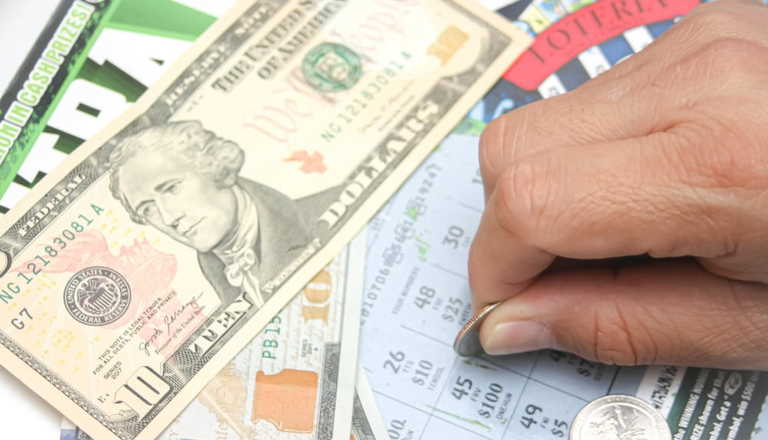
The physical act of scratching off the latex coating with a coin adds a sensory layer to the experience. It gives players a false sense of control; it feels like you are revealing the win, making the game highly tactile. Because the outcome is immediate, players who do not win can instantly chase that dopamine hit by buying another ticket right away.
Lottery draws, like Powerball, Mega Millions, or EuroMillions, are exercises in delayed gratification. You buy a ticket on a Tuesday for a drawing that won’t happen until Friday night.
This delay creates a prolonged psychological phenomenon known as "the anticipation phase." For a few days, a few dollars buys you a license to dream. You can sit at your kitchen table and realistically plan how you would spend 500 million dollars. The entertainment value isn't in the physical act of playing, but in the extended fantasy of what could be.
Beneath the colourful graphics and floating numbers lies a world of strict mathematical probability because of the way the games are designed. The way these two games calculate and distribute prizes could not be more distinct.
Scratch tickets operate on a fixed-pool system. When a printing press manufactures a batch of a specific $5 scratch game, the total number of tickets, the exact number of winning tickets, and the specific prize amounts are locked in from day one. If a game prints 10 million tickets, and 5 of them are $1 million top prizes, those variables never change. As people buy tickets, the pool shrinks, and the odds dynamically shift based on which prizes have already been claimed.
Lottery draws rely on independent probability and dynamic jackpots. Every single drawing is a completely fresh start. The odds of hitting a Powerball jackpot are exactly the same whether five people play or 50 million people play. However, because the main jackpot "rolls over" if no one wins, the pool of money grows dynamically based on ticket sales, while the odds of hitting the numbers remain static.
Scratch cards often mimic games of skill. You will find tickets themed around Blackjack, Poker, Bingo, or Crosswords. The player must cross-reference numbers, build words, or "beat the dealer's hand." In reality, this is pure illusion. The moment the ticket is printed, a barcode embedded on the card determines exactly how much it is worth. You could blindly scratch the barcode, scan it at a machine, and get the exact same payout. The game layout is merely an entertaining skin designed to make you feel like your attention to detail or "luck" influenced the outcome.
In a lottery draw, you are handed a blank grid and told to pick your numbers. This triggers the "illusion of control" on a massive scale. People use birthdays, anniversaries, lucky numbers, or complex mathematical "wheeling" systems to pick their digits.
One of the most critical differences that savvy players leverage is how much information is publicly available while a game is active. With a lottery draw, everything is transparent. You know exactly what the jackpot is before you buy a ticket, you know when the drawing is, and you can instantly verify the winning numbers. Scratch cards are much more mysterious, yet they offer a strange loophole. Because they are a fixed pool, operators regularly update their official lottery websites with data showing exactly how many top prizes are left for any given game.
Ultimately, scratch tickets and lottery draws serve two different types of players. If you are looking for an immediate, tactile experience where you have a very realistic chance of winning your money back, scratch cards are built for you. They are localized, fast-paced, and offer a steady stream of micro-wins.
If you are a dreamer who enjoys the multi-day psychological buildup of holding a ticket that could fundamentally alter your lineage, rewrite your destiny, and place you on the Forbes list overnight—and you don't mind the fact that you are statistically more likely to be struck by lightning than to win—then the lottery draw is your game.
Both are forms of entertainment taxes paid for a moment of excitement. The key to playing responsibly is knowing exactly which type of thrill you are paying for.